


Length
Guests
Cabins
Everything you need to know about chartering a yacht
Charter, at its best, is unlike any other way to travel.
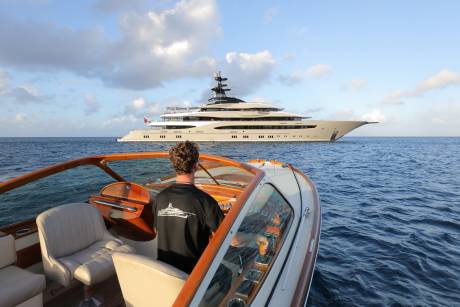
A yacht gives you a level of freedom that is difficult to replicate on land. You are not moving between places, you are moving through them. The itinerary evolves as you go, shaped by the day, the conditions, and what feels right in the moment.
That is what makes it so compelling. Not just the destinations themselves, but the way you experience them. Unhurried, uninterrupted, and entirely your own.
What transforms it from good to exceptional is everything behind the scenes. The crew, the destination, and the level of planning that goes into shaping the week before you even step on board.
This is where a Y.CO charter specialist adds value. Not just coordinating the detail, but interpreting how a client wants to spend their time, and translating that into a charter that feels seamless from the outset.
Yacht Charter Guide
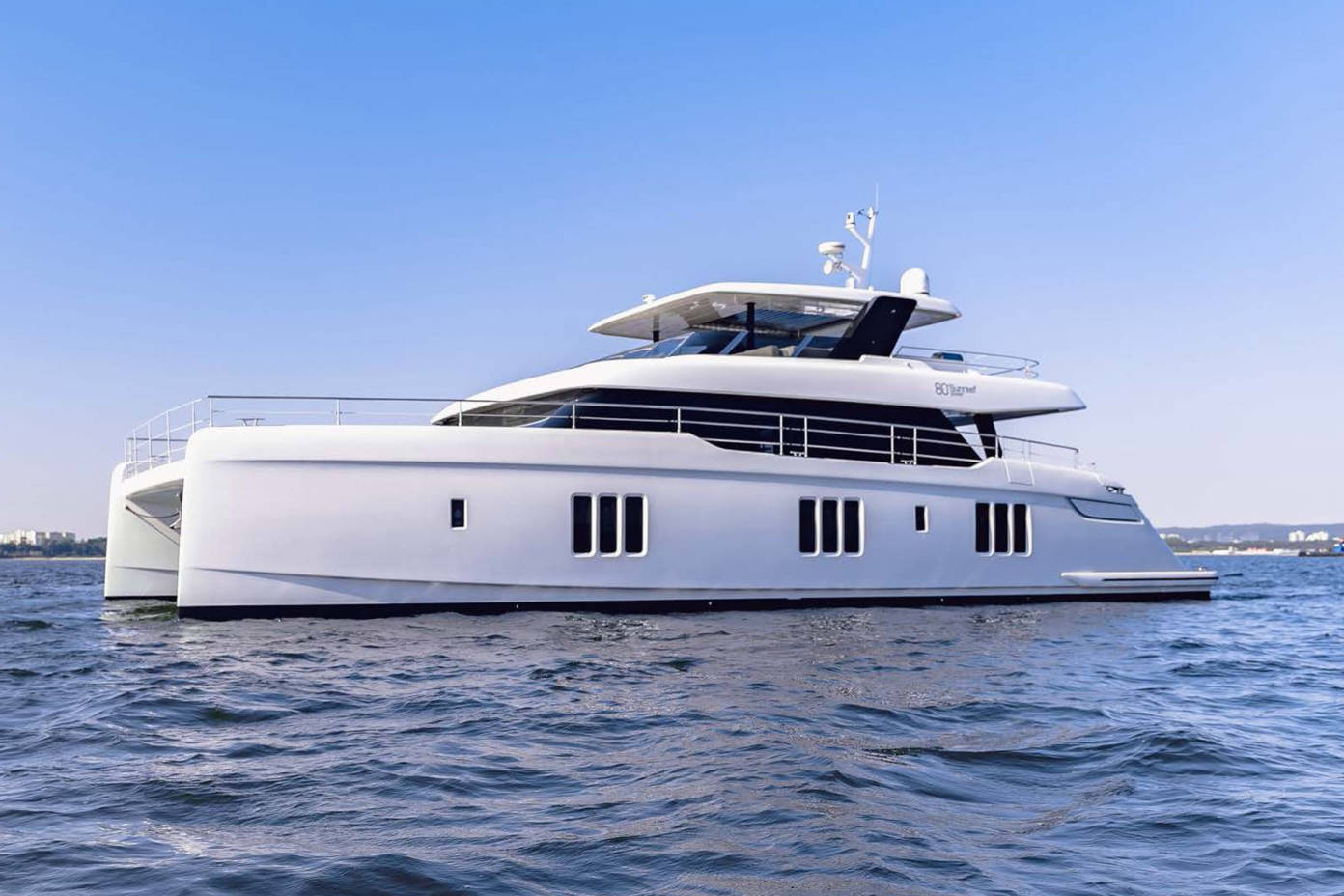
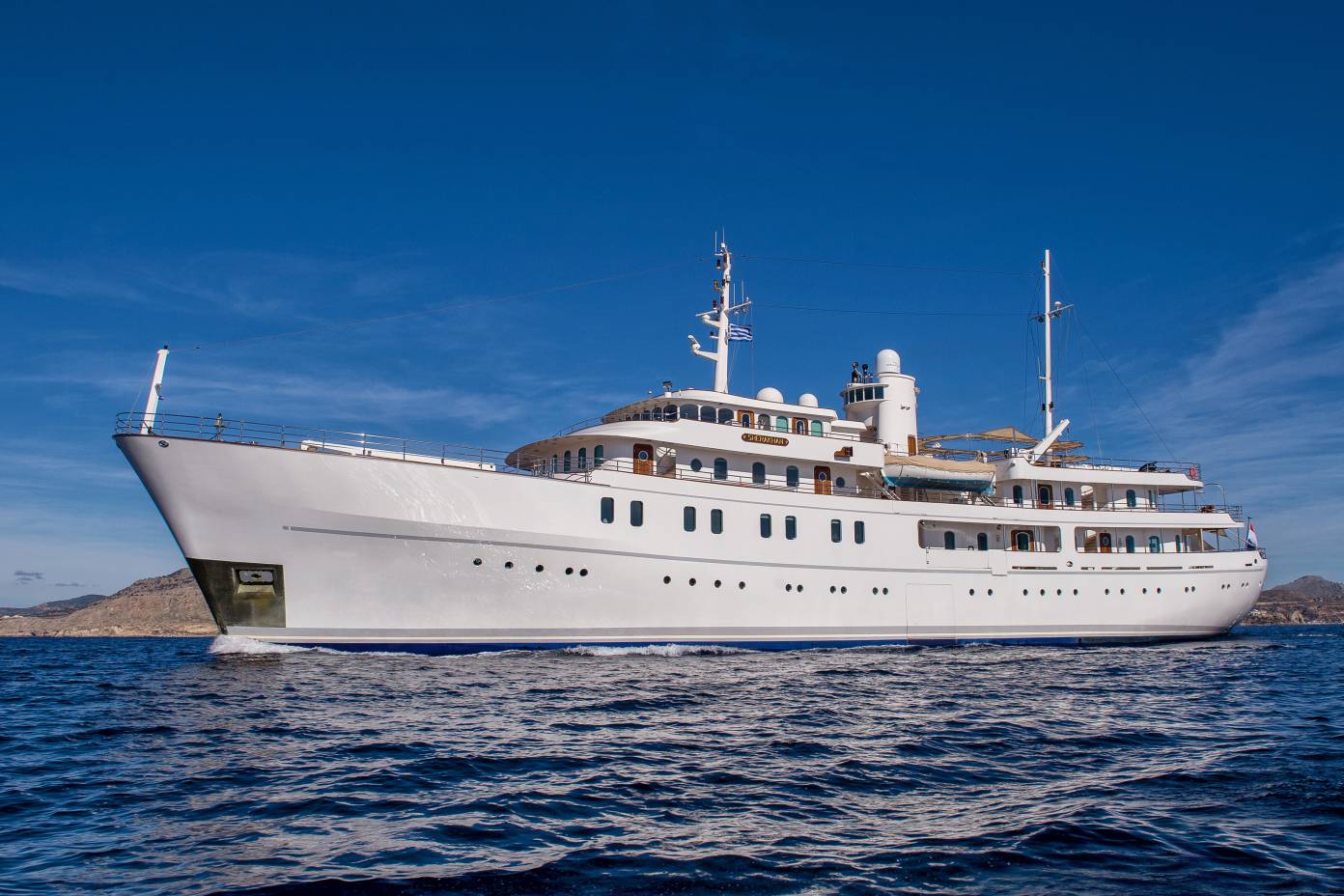
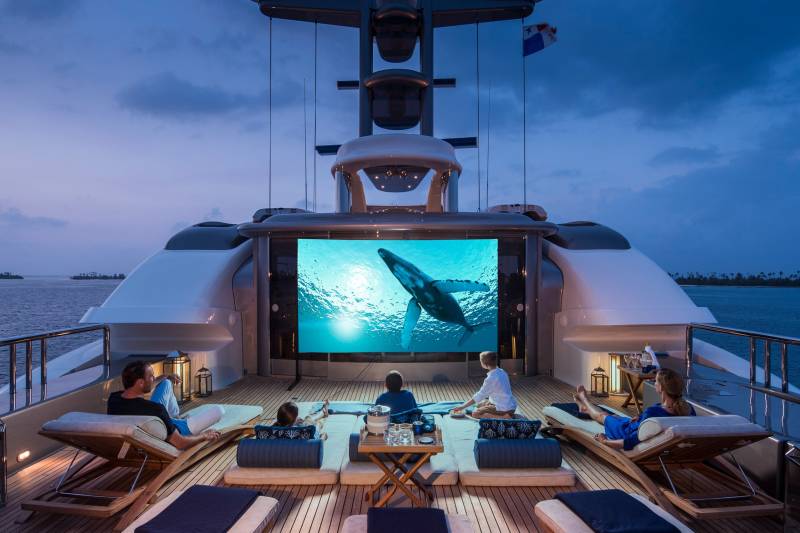
Choosing the right yacht is less about specifications on paper and more about how you intend to live on board.
Length and standout features only tell part of the story. What matters is how the yacht works in practice – how spaces connect, and how naturally you move between inside and out.
A yacht that looks impressive can still feel restrictive if it does not suit the rhythm of your group. The right one will feel effortless from the moment you step on board.
Yacht Charter Guide
This is where experience counts. A Y.CO charter specialist will guide you beyond specifications, towards the yachts that consistently deliver.
Not just in design, but in atmosphere, crew dynamic, and how the yacht feels to live on board.
Because the right yacht is not simply the most impressive on paper. It is the one that feels effortless from the moment you step on board.
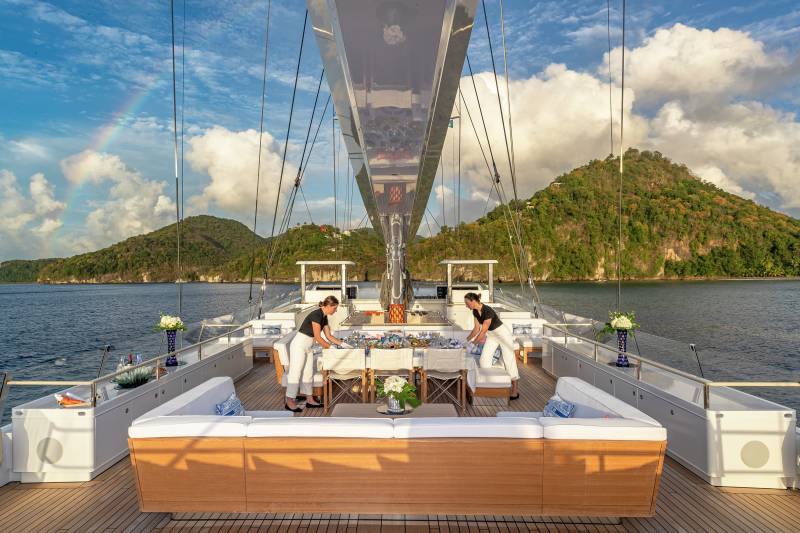
Most charters are booked six to twelve months in advance, particularly for peak seasons in the mediterranean and caribbean. Booking early provides the widest choice of yachts and ensures time to plan the itinerary and onboard experience properly.
A charter specialist helps match the yacht to the style of trip you have in mind. Factors such as guest numbers, cruising area, onboard amenities, crew reputation and overall atmosphere all play a role in selecting the right yacht.
Most charter yachts accommodate up to twelve guests, which is the standard limit under international regulations. Some yachts may carry fewer guests depending on their layout, while larger yachts may host more under specific certification.
When the yacht is available in port, a viewing can often be arranged. This depends on the yacht’s schedule and can be more difficult to arrange for the most popular yachts, but your charter broker can organise visits where possible. Our charter specialists regularly visit and vet all yachts available on the market and will never recommend something that they has not been thoroughly vetted.

Yacht Charter Guide
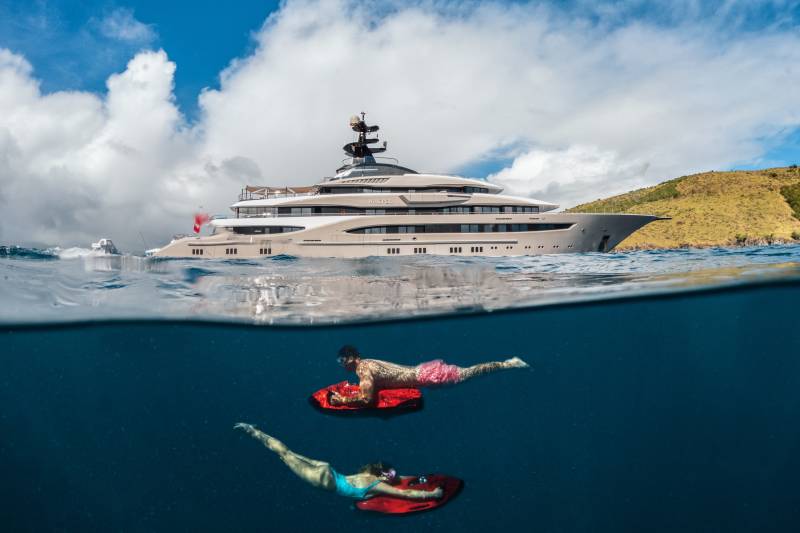
Behind every successful charter is a significant amount of coordination.
Selecting the right yacht, shaping the itinerary, negotiating contracts, and working closely with captains and crew all form part of it. Our specialists guide that process from the outset, translating expectations into an experience that feels seamless from start to finish.
When it is done well, most of that work remains invisible. What guests remember instead is that everything simply worked.
Yacht Charter Guide
A yacht charter is structured to allow for flexibility.
The charter fee covers the use of the yacht and her crew for the agreed period. Additional operating expenses — including fuel, food, drinks and marina fees — are managed through the advance provisioning allowance, or APA.
This ensures the charter can adapt to choices made during the trip, from increased cruising to specific requests on board or ashore. A charter specialist provides clear guidance throughout, ensuring full transparency from the outset.
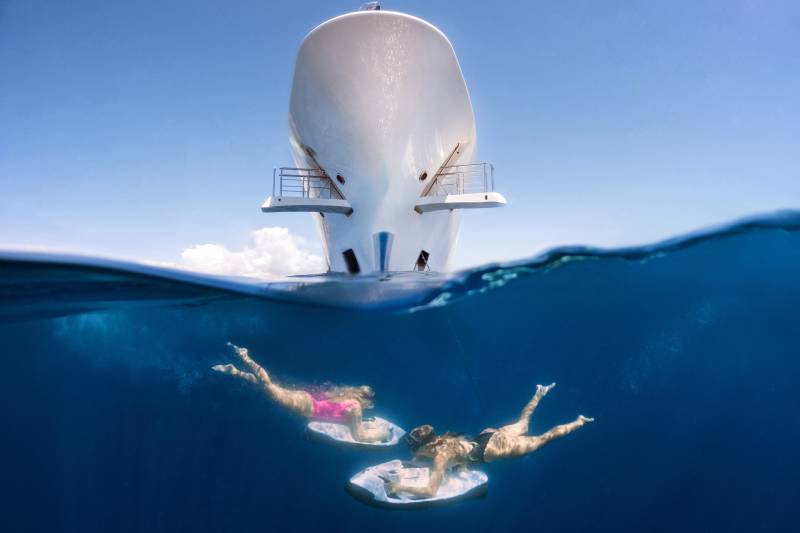
Charter prices vary widely depending on the yacht, destination and season. Weekly rates can range from around €50,000 to several hundred thousand euros for the largest superyachts.
In addition to the charter fee, operating expenses such as fuel, food, drinks and marina fees are covered through an Advance Provisioning Allowance, known as the APA. Any unused funds are returned at the end of the charter.
If you feel you have received good service during your stay on board, you may decide to leave your crew a gratuity. While all tipping is entirely discretionary, the customary rate is 5 – 15% of the base charter fee.

Yacht Charter Guide
Once the yacht is selected, attention turns to the itinerary.
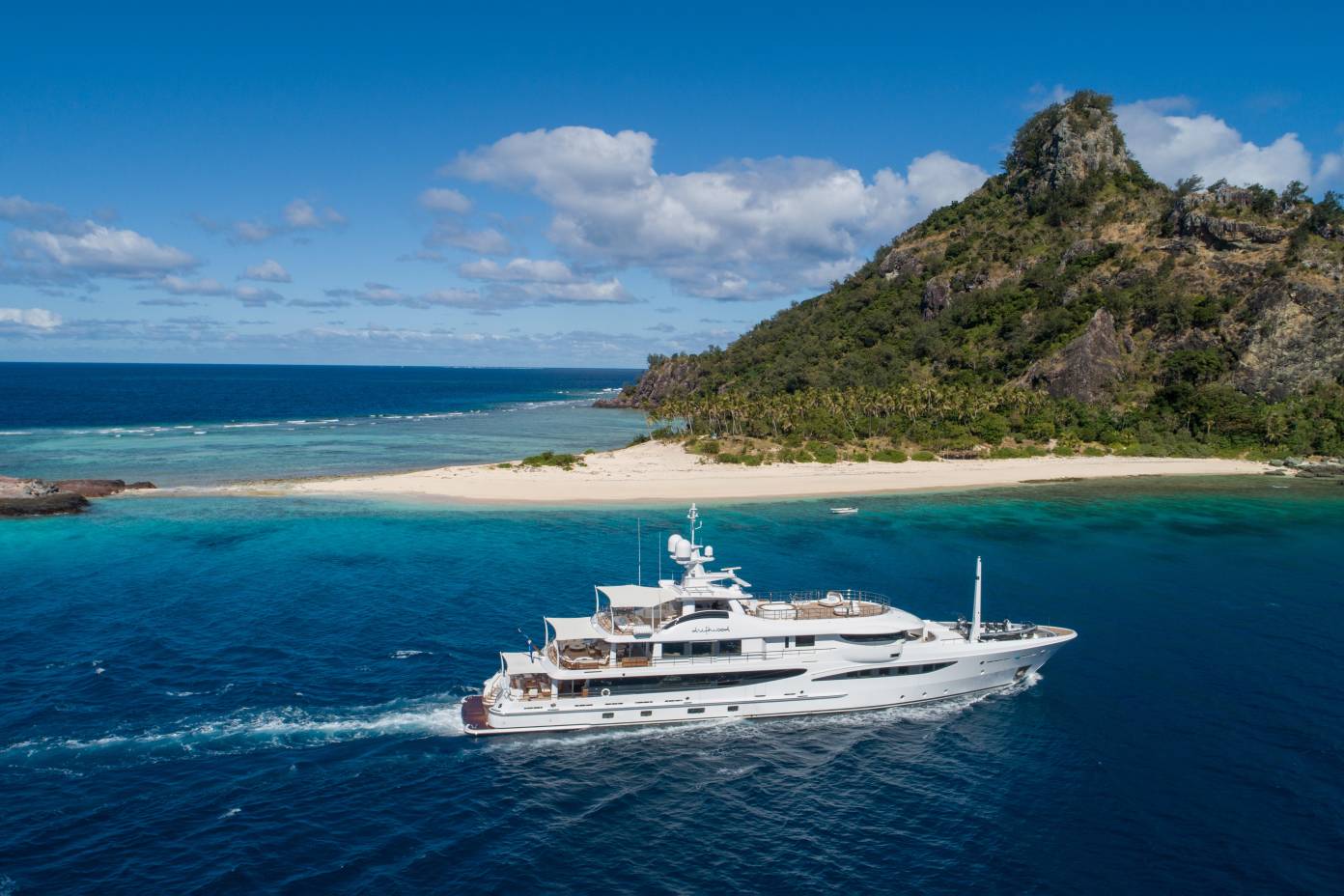
For many, iconic destinations appeal: the riviera in summer, the bahamas in winter where restaurants, beach clubs and busy harbours form part of the experience. Others are drawn to quieter cruising grounds where remote islands, national parks and destinations shaped more by landscape than by nightlife.
An initial itinerary is carefully mapped out ahead of departure, informed by local knowledge, seasonal conditions and close collaboration with the captain. Yet flexibility remains central. The most memorable moments are often unplanned - a secluded anchorage, a change in conditions, or the decision to stay longer in a place that feels right.
Yachts charter year-round around the world. The mediterranean is most popular from May to September, while the caribbean and bahamas are typically chartered between December and April.
Booking at the start and end of these seasons (the shoulder season) is a great option for charter guests who want to avoid crowds, and often there is more flexibility on rates and a wider choice available during these periods.
Charters take place in many of the world’s most sought-after cruising regions, including the Mediterranean, caribbean, bahamas, indian ocean, and parts of the pacific. Your broker can recommend destinations depending on the season and your interests.
One of the defining aspects of a yacht charter is flexibility. Itineraries are planned in advance, but can change to suit weather conditions, new discoveries along the way, or guests’ preferences during the trip.
The captain will adjust the itinerary to ensure comfort and safety. Alternative anchorages or cruising areas are usually suggested so that the experience continues smoothly.
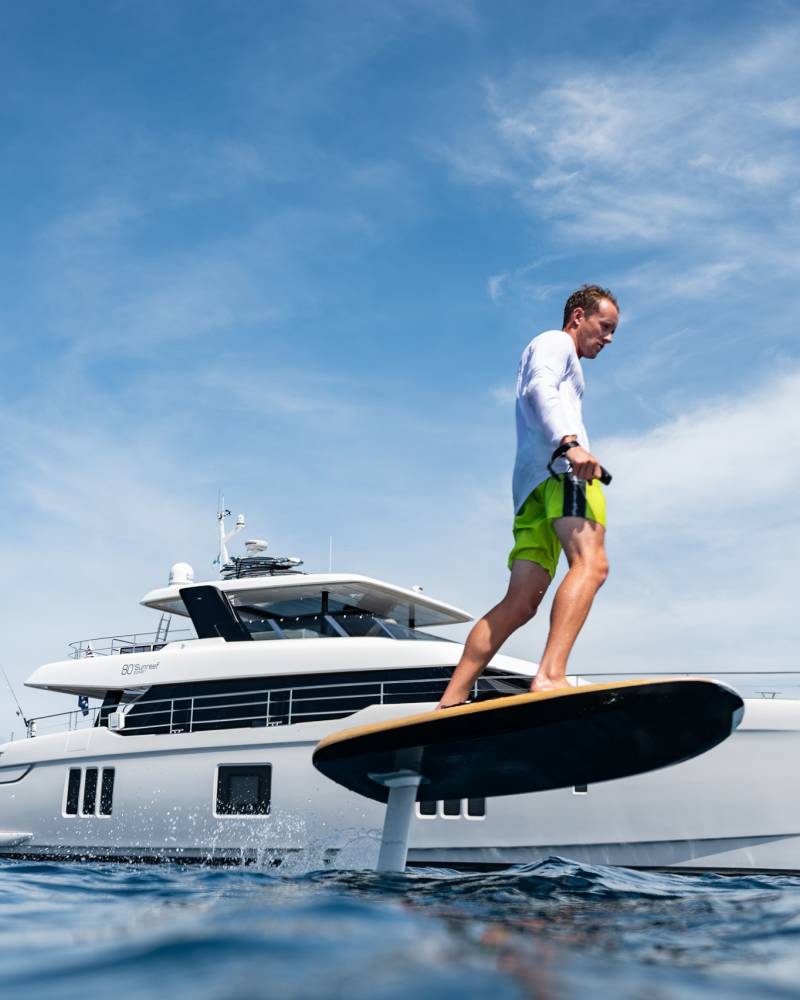
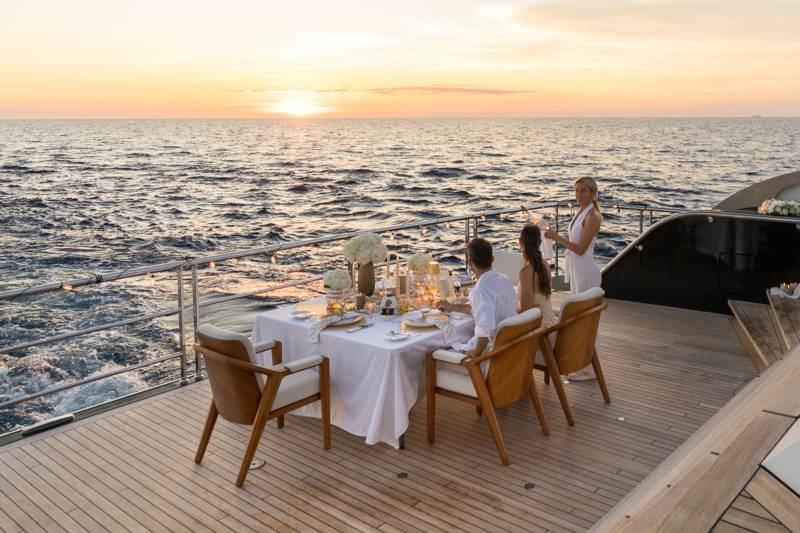
Yacht Charter Guide
Much of the work that defines a charter happens long before guests arrive. Preferences are gathered in advance — from favourite wines and dietary requirements to activities, celebrations, or specific experiences ashore. The crew then prepare the yacht; provisions are sourced, equipment checked, and plans refined so that by the time guests step on board, everything is ready.
The goal is simple: that the charter itself feels effortless.
Yacht Charter Guide
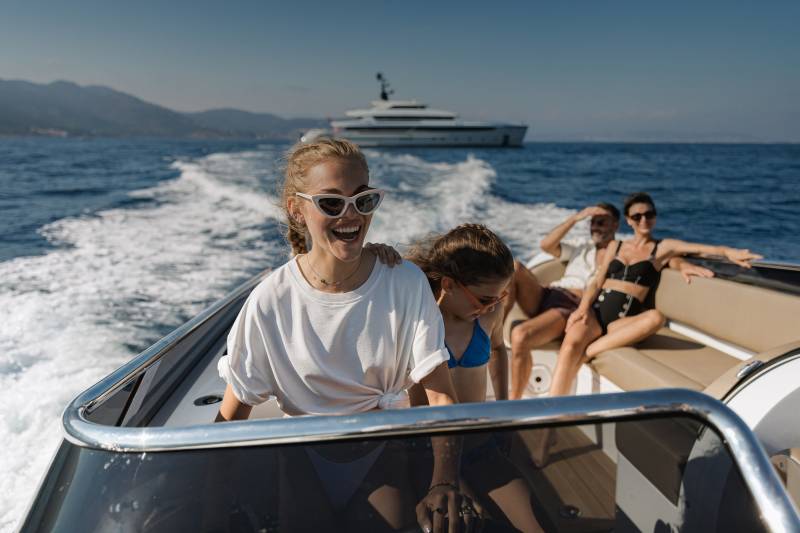
Life on board rarely follows a rigid schedule. Mornings may begin with breakfast on deck, followed by swimming or exploring ashore. Afternoons often unfold slowly — water sports, cruising between anchorages, or simply enjoying the quiet of the sea.
Evenings bring a different atmosphere. Dinner might be served under the stars in a sheltered bay, or guests may head ashore before returning to the yacht for drinks on deck.
What makes these moments special is the ability to shape them entirely around the guests themselves.
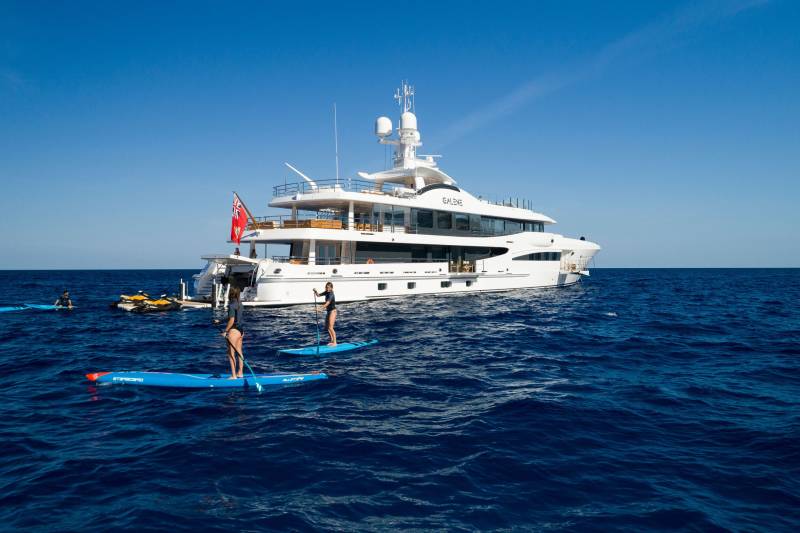

Life on board can include swimming, water sports, exploring ashore, dining on deck and simply enjoying time at sea. Each charter unfolds differently depending on the guests’ interests and the cruising destination.
Superyachts are professionally crewed, often with one crew member for every one to two guests. This ensures attentive service and allows the yacht to operate smoothly throughout the charter.
Yes. Guests complete a preference sheet before the charter that covers favourite foods, dietary requirements and drinks. The chef then plans menus tailored specifically to those preferences.
Nearly all yachts provide onboard internet access through satellite systems. Connection speeds vary depending on location, but it is generally sufficient for messaging, email and browsing.
Most yachts carry a selection of water toys such as jet skis, paddleboards, snorkelling equipment and tenders for exploring ashore. Larger yachts may also include diving equipment, inflatables and specialist gear. Additional equipment can be rented on request.
Many yachts are well suited to families and offer flexible cabin layouts, water toys and child‑friendly crews. Your charter specialist can recommend yachts particularly experienced with family charters.
Most yachts are non-smoking, at least in the interior areas, though a few have designated smoking zones out on deck. Your Charter Specialist will be able to inform you of the individual smoking policies of different yachts when you are making your selection.
Shoes are not allowed on board, to protect the teak decking and carpet. Some yachts will allow you to wear boat shoes as long as they are clean and not worn ashore during your stay.
Packing depends largely on your destination, the time of year, and planned activities. Your charter specialist can provide detailed packing guidance before departure.
Yes. Birthdays, anniversaries and special celebrations can all be arranged with advance notice. The crew can organise decorations, themed dinners or activities to mark the occasion.
let's chat.
Get in touch with one of our teams around the world
Where you'll find us
Monaco — MC
+377 93 50 12 12London — UK
+44 20 7584 1801Fort Lauderdale — US
+1 954 278 3970Auckland — NZ
+64 9 281 5133Contact us
[email protected]Share Moodboard.
Collaborate with a Y.CO Team member to check availability of yachts on your board or receive tailored suggestions based on your inspiration.
Where you'll find us
Monaco — MC
+377 93 50 12 12London — UK
+44 20 7584 1801Fort Lauderdale — US
+1 954 278 3970Auckland — NZ
+64 9 281 5133Contact us
[email protected]Login/Register
Charter AI can make mistakes. Check important info. See Privacy Policy.