Length
Guests
Cabins
Cruising the Aegean & Adriatic
While most think of Greece and Croatia in terms of their coastal towns, ancient ruins, and cerulean coves, there’s a quieter, more untamed side that only those who venture off the path discover. In the lesser-traveled corners of the Sporades and the Lastovo archipelago, marine life flourishes under the radar. Think crystalline waters, untouched grottos, and underwater meadows swaying with life; home to dolphins, loggerhead turtles, and the rarest of them all: the elusive Mediterranean monk seal.
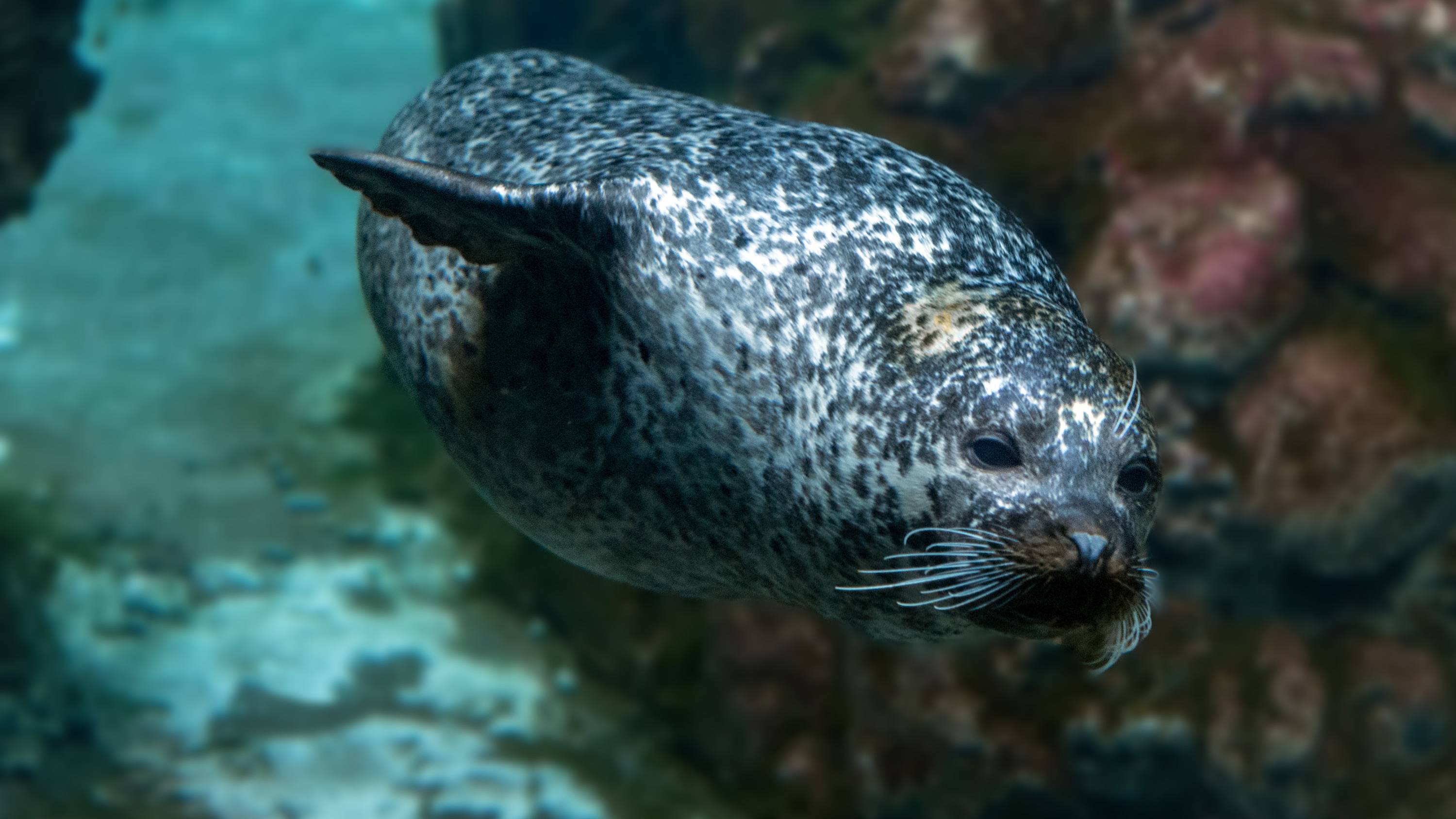
With only a few hundred individuals left in the wild, spotting a monk seal is like stumbling upon a sea-born unicorn. Steni Vala, on the island of Alonnisos in the Northern Sporades, is home to a dedicated rehabilitation center where rescued seals are nursed back to health. Witness baby monk seals being fed and cared for by marine biologists before being reintroduced to the wild. Seeing one up close is not only a profound privilege but a gentle reminder of how fragile and fiercely protected these waters must remain.
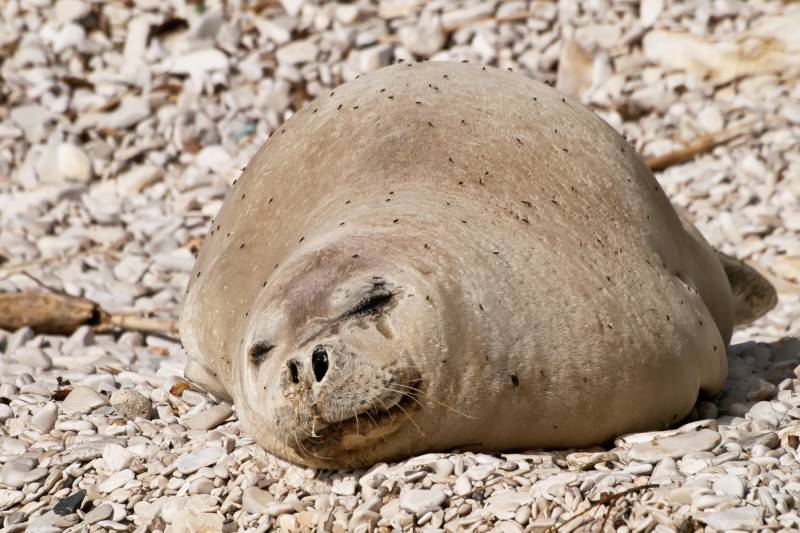
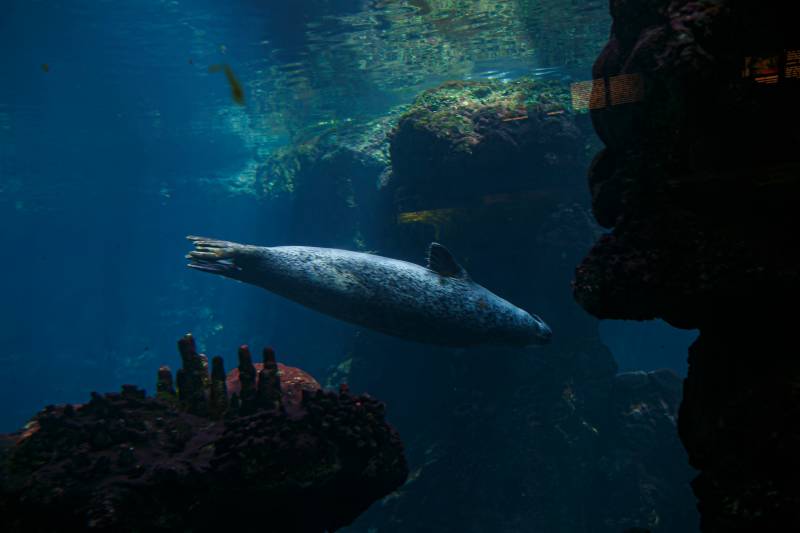
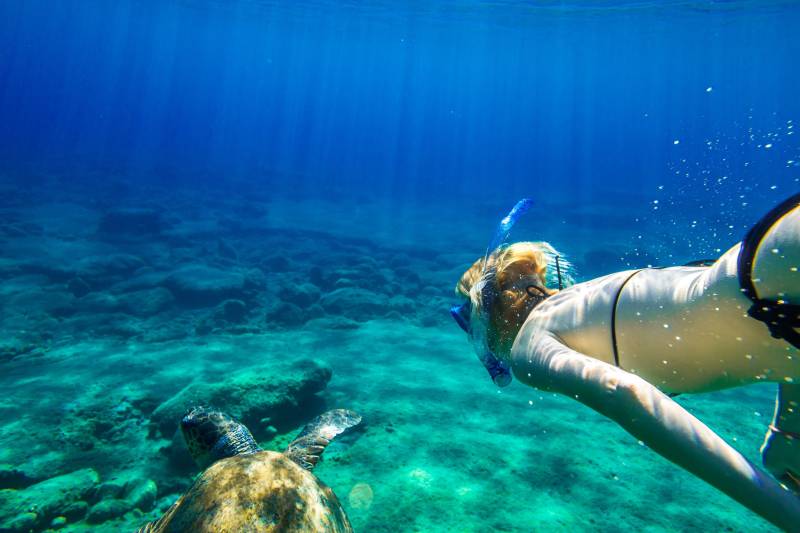
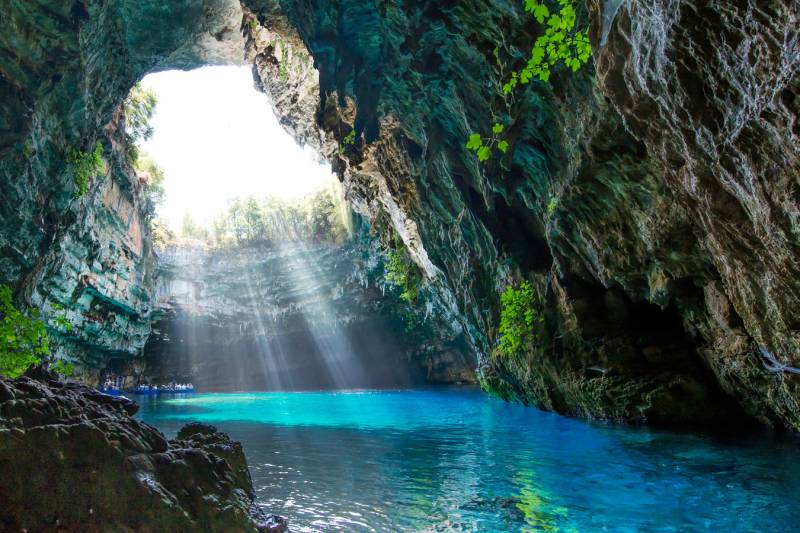
In Croatia’s Lastovo archipelago, a remote marine preserve dotted with pine-covered islets, monk seals have long found sanctuary in sea caves that remain largely inaccessible to humans. Here, beneath limestone cliffs and over underwater seagrass beds, larger marine species thrive: bottlenose dolphins surf yacht wakes at dawn, loggerhead sea turtles cruise slowly through shallows, and occasionally, a monk seal slips by in the shadows, like a ghost of the deep
These regions are not just havens for wildlife; they’re deeply sacred pockets of the Mediterranean where the natural order still holds. As you kayak into sea caves or snorkel along underwater cliffs, you’re entering a hidden realm, one where the balance between nature and humankind still teeters in favour of the wild.
The Mediterranean monk seal is one of the rarest marine mammals in the world, with only a small wild population remaining. Seeing one in its natural habitat is an exceptionally rare privilege and a highlight for wildlife enthusiasts cruising the region.
The Northern Sporades in Greece and Croatia's Lastovo archipelago are among the Mediterranean's most important monk seal habitats. Their remote coastlines, sea caves and protected waters provide ideal sanctuary for these elusive animals.
Yes. Guests visiting Alonnisos can visit the rehabilitation centre at Steni Vala, where rescued seals are cared for by marine biologists before being released back into the wild. It offers a fascinating insight into local conservation efforts.
No. Monk seals are wild animals and sightings are never guaranteed. Their rarity is part of what makes an encounter so memorable, with many guests considering themselves fortunate to see one during their charter.
The waters of the Aegean and Adriatic are home to bottlenose dolphins, loggerhead turtles and a rich variety of marine life. Depending on the location and season, guests may encounter multiple species during a single outing.
Many of the most important wildlife habitats are located far from busy ports and popular tourist routes. A yacht provides access to remote anchorages, quiet bays and protected islands where nature remains largely undisturbed.
Guests can explore sea caves by kayak, snorkel along coastal cliffs, swim in secluded coves and discover some of the Mediterranean's most pristine marine environments.
As one of Croatia's most remote island groups, Lastovo provides a refuge for marine species that are increasingly rare elsewhere in the Mediterranean. Its protected waters, sea caves and seagrass meadows create an important ecosystem for wildlife.
Absolutely. While there is plenty to explore, the experience is often more about observation and discovery than adrenaline. It appeals particularly to guests who enjoy wildlife, conservation and spending time in unspoilt natural surroundings.
For many guests, it's the feeling of discovering a quieter, wilder side of the Mediterranean. Whether it's spotting a monk seal emerging from a sea cave, watching dolphins at sunrise or kayaking through untouched coastal landscapes, these are the moments that stay with you long after the charter ends.
let's chat.
Get in touch with one of our teams around the world
Where you'll find us
Monaco — MC
+377 93 50 12 12London — UK
+44 20 7584 1801Fort Lauderdale — US
+1 954 278 3970Auckland — NZ
+64 9 281 5133Contact us
[email protected]Share Moodboard.
Collaborate with a Y.CO Team member to check availability of yachts on your board or receive tailored suggestions based on your inspiration.
Where you'll find us
Monaco — MC
+377 93 50 12 12London — UK
+44 20 7584 1801Fort Lauderdale — US
+1 954 278 3970Auckland — NZ
+64 9 281 5133Contact us
[email protected]Login/Register
Charter AI can make mistakes. Check important info. See Privacy Policy.