Continuing a standard, shaping his own

In the Galley: Chef Joshua Urdang on Nuri

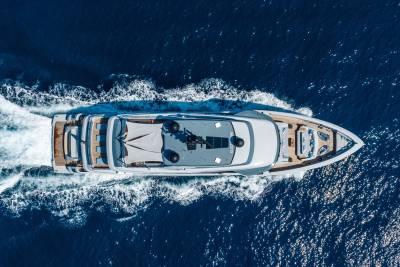
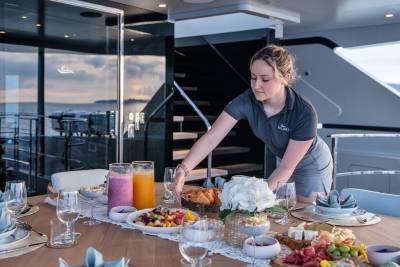
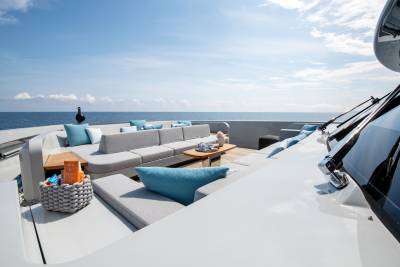
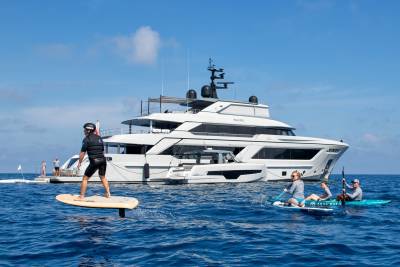
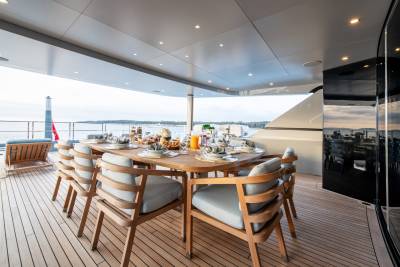
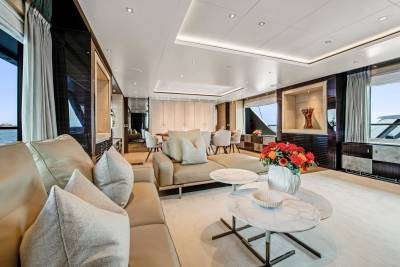
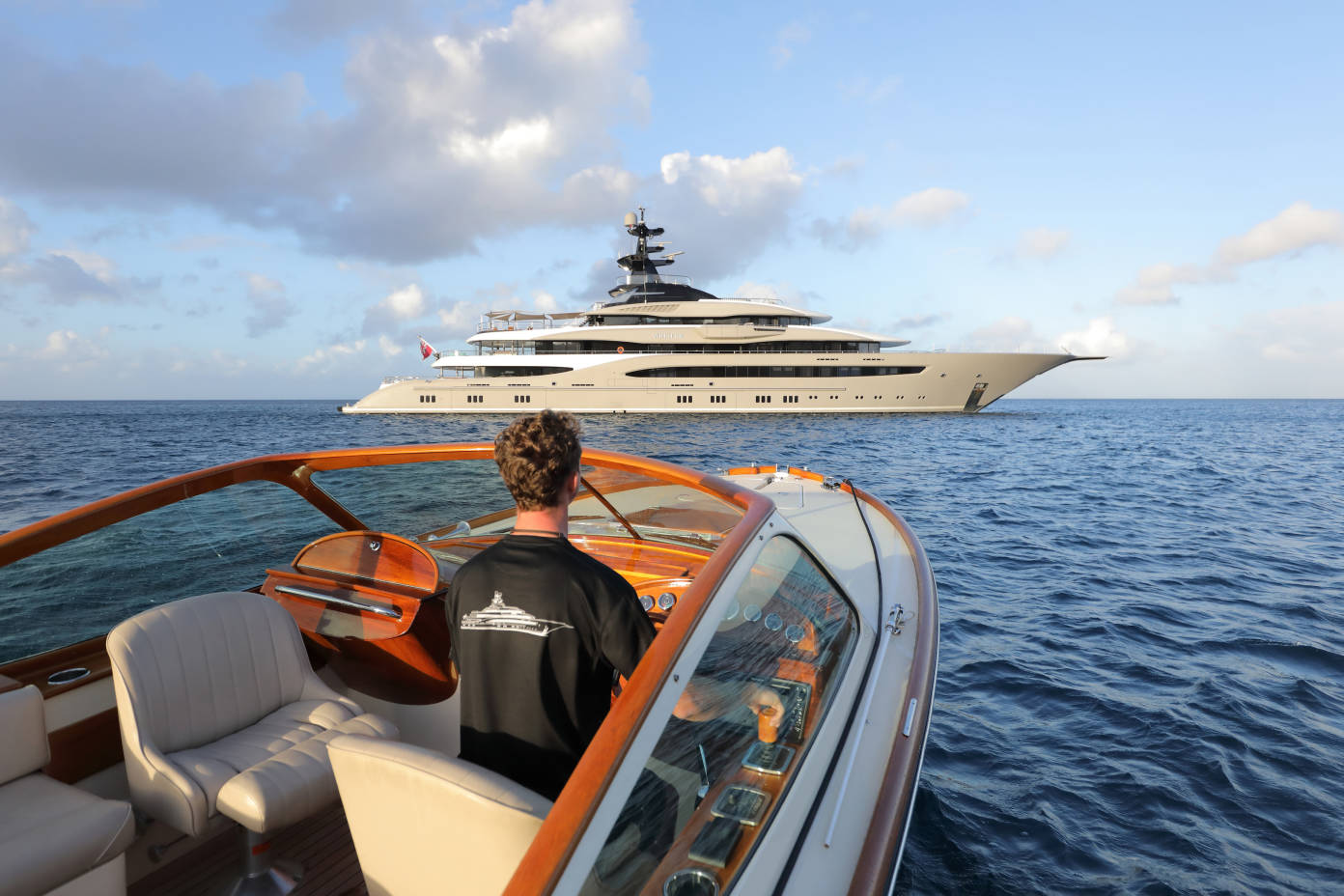
Step on board Nuri and expectations around food are already high. The yacht has built a strong culinary reputation over time, shaped by consistency, detail and a clear respect for ingredients.

Now, at the helm of the galley, is Chef Joshua Urdang. A winner of the MYBA Chef Competition, he arrives with both recognition and a clear sense of direction. His role is to build on Nuri’s gastronomic reputation, while putting his own stamp on things. It’s no small task.

“The focus is on respecting what has come before,” he says. “Maintaining and expanding on the standard that’s been set, while also bringing my own energy and approach into it.”

That balance defines his cooking. It is thoughtful without being overworked. Precise, but never rigid. There’s always room to move with the seasons and find inspiration in the local terroir.

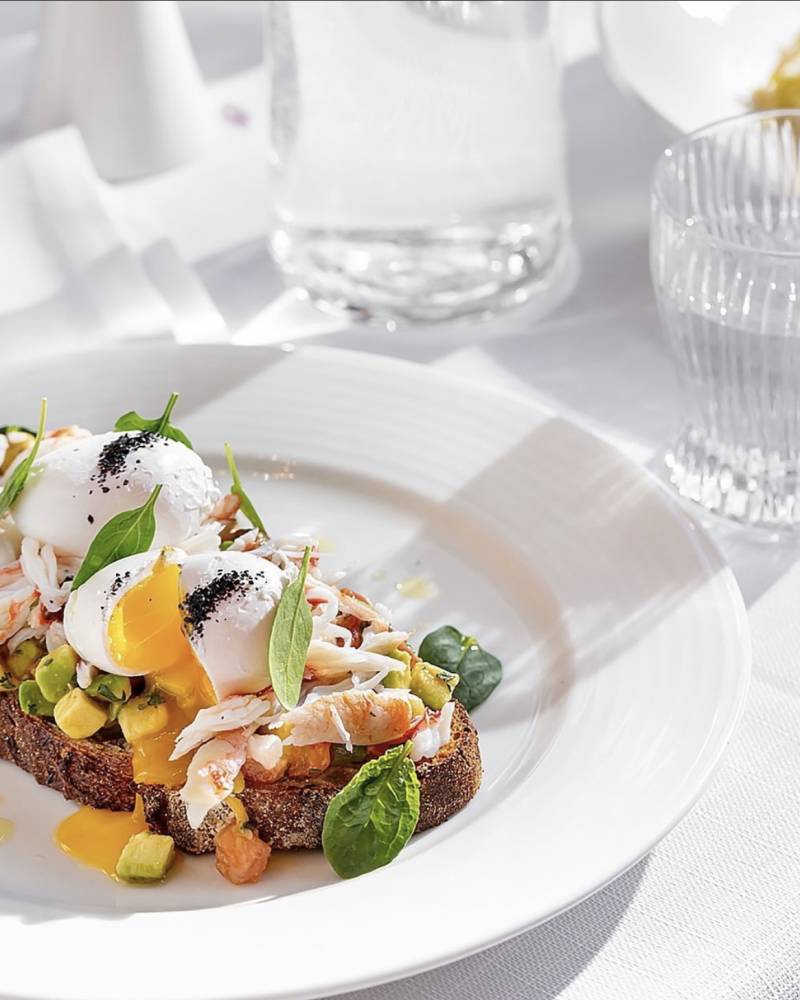
A perfectly poached egg crowns a decadent crab and avocado toast, drizzled with golden yolk on a crisp slice of dark bread.

Nuri

Cooking with intent

Winning the MYBA Chef Competition marked a turning point.

“It reinforced my approach to cooking mindfully,” he explains.

“To focus on the ingredients, their value, and using them fully. You can create something memorable without excess. It’s about flavour, but also respect.”

That thinking runs through everything he does on board. Menus are shaped by three consistent anchors: what the guest will enjoy, what he wants to create, and what the ingredients allow.

“I pull from where we are, what’s in season, and what the guests are looking for. But it always comes back to those three things.”

His style sits somewhere between modern and classical. There is a sense of structure, but also a willingness to adapt.

“I try to find a balance between what I want to cook and what the guests want to eat. I lean towards a more refined style, but the experience matters just as much. Food should take you somewhere, a memory, a moment.”

Nuri

Seeking Inspiration – From Farm to Fine Dining

Cooking on a yacht extends far beyond the galley. Provisioning alone demands instinct, flexibility and a strong network.

Joshua prefers to step ashore whenever possible.

“If I have time, I’ll go to the markets myself. It gives me a clear sense of what’s fresh and what’s available. From there, I can adjust the menu in real time.”

In more remote locations, the process becomes less predictable.

“You have to keep an open mind. I’ll speak to locals, ask other chefs, or rely on provisioners I’ve worked with for years. It’s about finding a way to make it work with what’s around you.”

Those interactions often shape the food itself. A conversation at a market, a recommendation from a fisherman, a last-minute discovery, all feed back into the menu.

On his days off, he is still searching.

“You’ll usually find me walking through markets or trying local restaurants. Seeing what others are doing with the same ingredients is always useful.”

One experience in particular has stayed with him.
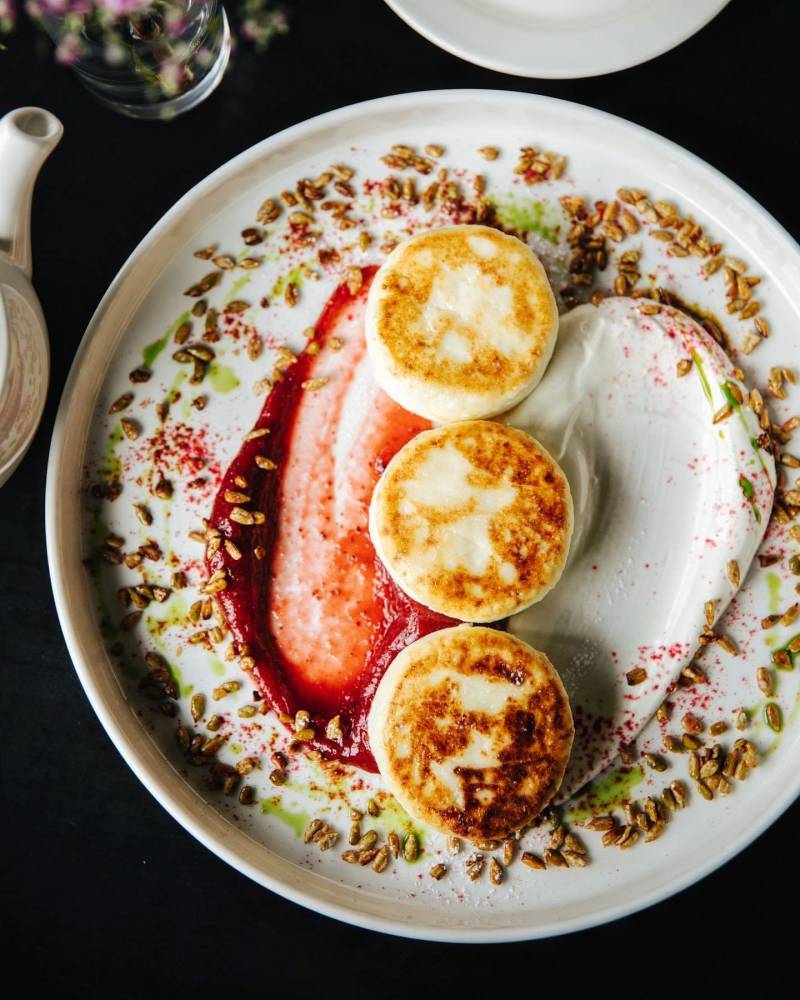
Golden-brown syrniki are artfully arranged with vibrant berry coulis and a dollop of cream, sprinkled with seeds and herbs.

“I became friendly with a vendor in Nice who invited me to their farm. I was able to pick the produce myself. It really stayed with me; the amount of work that goes into each ingredient. It changes how you cook with it.”

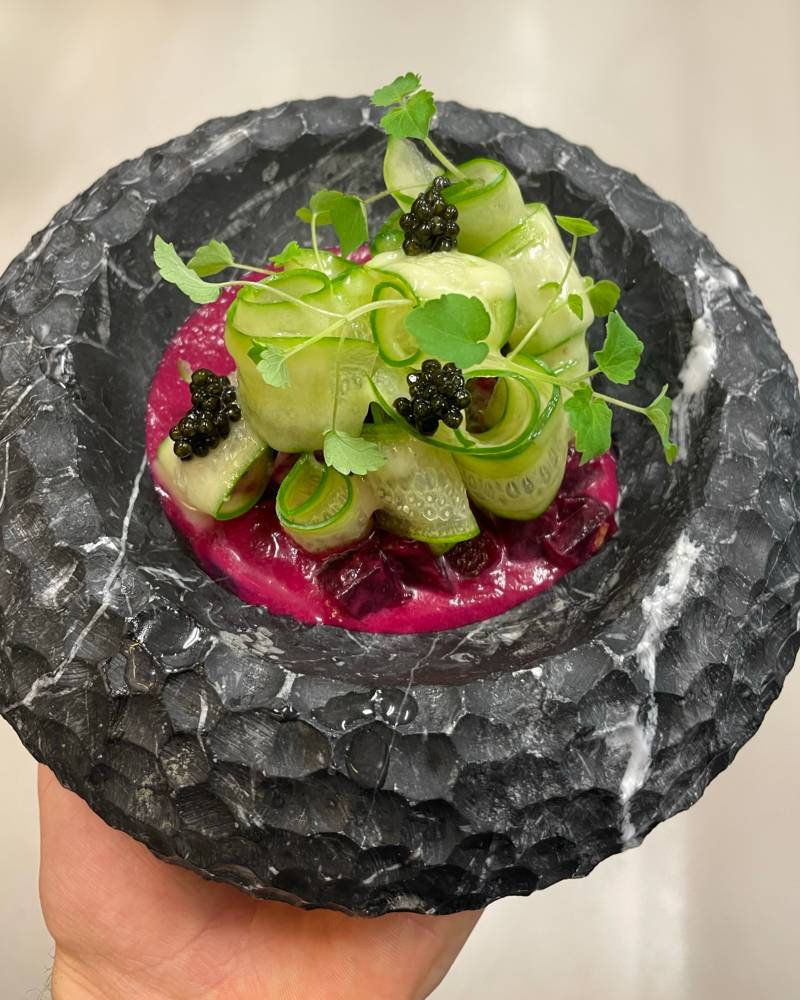
A delicate arrangement of cucumber rolls and caviar rests in a textured stone bowl, garnished with fresh microgreens.

Nuri

A Day in the Life

Joshua walks us through what a typical day looks like on board Nuri.

“I start with a rooibos tea, then bake bread and go through the menu. I’ll make a shortlist of what needs to be done first and work from there.”

From breakfast through to dinner, the pace rarely drops. Alongside guest meals, there is also a full crew to feed, each with their own needs.

“In between, I try to stay focused. Music helps with that. It keeps the rhythm going and the energy right. I think that carries through to the food.”

Menus are never fixed rather they evolve as the charter unfolds.

“I don’t plan anything properly until I’ve understood the guests. I read their preferences, build something from scratch, then revisit it. During the charter, I watch how they respond and adjust where needed.”

That awareness is key. A small comment, a half-finished plate, a repeated request, each detail informs what comes next.

Nuri

A shared experience

For Joshua, the most important part of cooking on board is not the technique or presentation. It’s the feeling it creates.

“I think food tastes best when it comes from a place of love and enjoyment,” he says. “If you can create that sense of being somewhere familiar, surrounded by people you care about, then you’ve done your job.”

Life at sea supports that perspective. The pace is fast, the setting constantly shifting, but the connection to place remains strong. Growing up in South Africa, the ocean was always close.

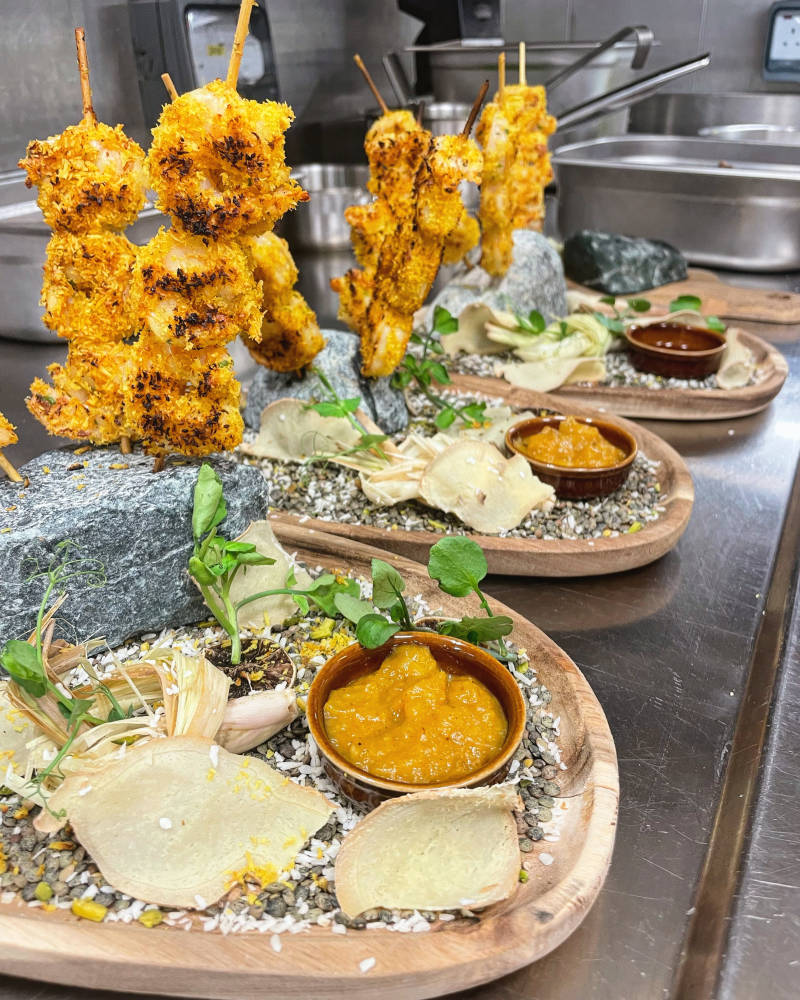
Crispy coconut-crusted shrimp skewers are artfully presented with vibrant dipping sauces and delicate garnishes on rustic wooden platters.

“I’ve always loved being near the ocean. It reminds me of home. And being able to travel, experience different cultures, and cook with ingredients you don’t normally have access to, that’s what keeps it interesting.”

On Nuri, that combination of consistency while adapting to place and seasonality is what defines the experience. A yacht with an established reputation, now guided by a chef who is ushering in a new era.

Moodboards

Charter AI Icon

Charter AI Icon Charter AI